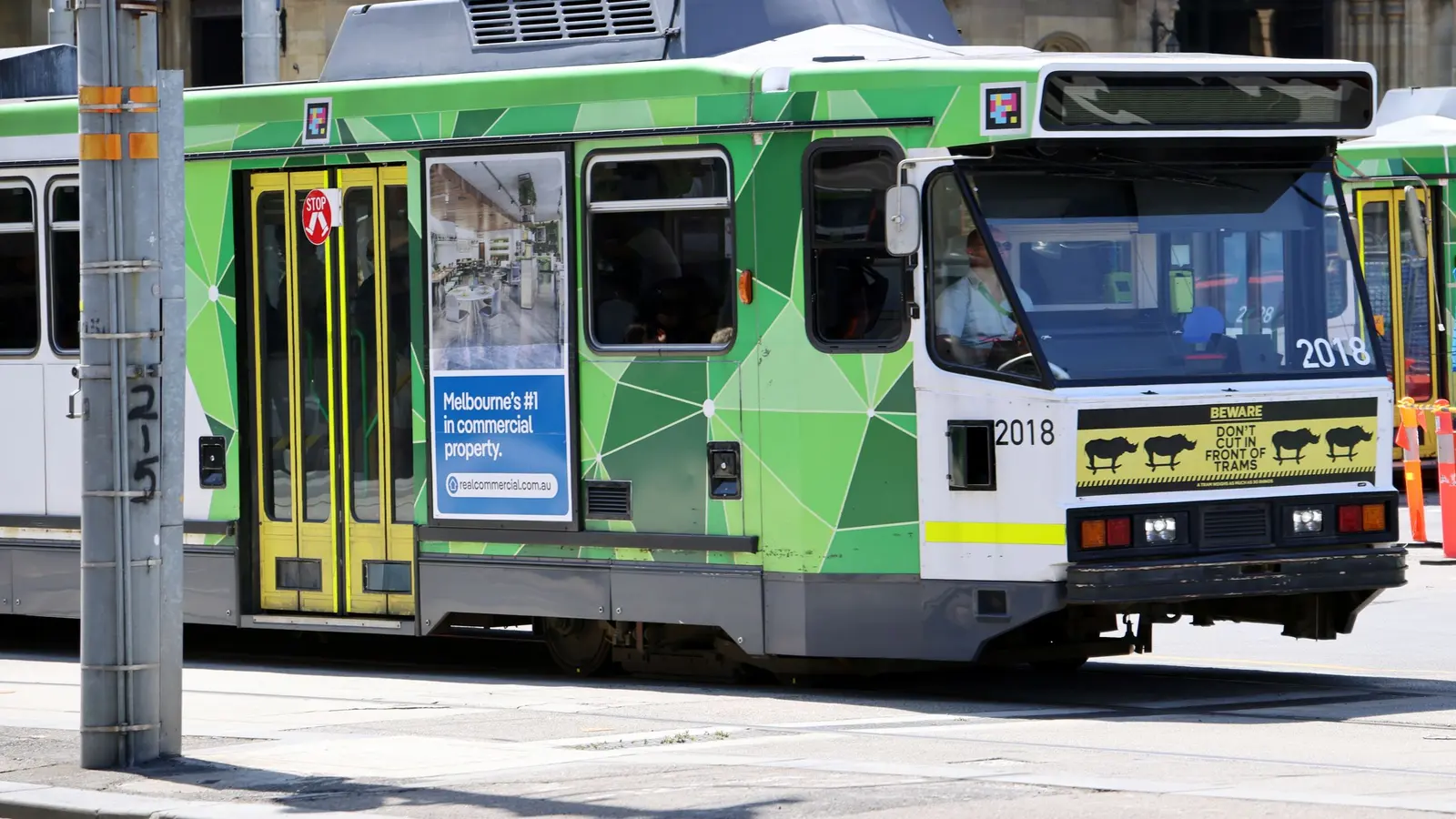
What is different about B2B in Melbourne
Honestly? The channel behaves the same. What changes is the competitive set: professional services, tech, manufacturing and logistics are all bidding for the same finite pool of Melbourne decision-makers, and there are only so many CFOs in the city.
That has one practical consequence. Narrow audiences get saturated fast. If your ideal customer is "operations managers at 50–200 person manufacturers in Victoria", you may be talking to a few thousand people. Show them the same ad for three months and you are not running a campaign, you are running a slow annoyance.
So creative rotation matters more in a small market than a large one, and any agency that does not raise this in the first conversation has not thought about your audience size.

Judge the agency on pipeline, not leads
Any competent agency can produce LinkedIn leads. The question is whether those leads become conversations, and whether those conversations become revenue.
- Ask how they connect ads to the CRM. If the answer stops at the form, the loop is open and the platform is guessing.
- Ask what happens to a lead in the 48 hours after it arrives. The best campaign in Melbourne cannot outrun a follow-up process that takes four days.
- Ask about audience size and creative rotation. In a narrow market this is the whole game.
- Ask what they would not run. LinkedIn's ads platform is not the answer to every B2B problem, and an agency that says so is worth listening to.
The uncomfortable version: if nobody is following up leads within a day, cheaper leads will not fix the revenue problem. That is a sales process issue wearing a marketing costume, and no agency retainer will resolve it.
What to expect on cost
LinkedIn clicks are expensive by design, you are buying a filter, not a click. In a Melbourne B2B context that usually means a meaningful minimum monthly media budget before the data is even readable, plus the agency fee on top.
Before committing, do the arithmetic: what is a customer worth over their life, how many enquiries become customers, and therefore what can you afford per enquiry. If that number is small, LinkedIn is not your channel, and any agency that takes the retainer anyway is taking your money.
The cheapest thing an agency can give you is the sentence "this will not work for you". Very few offer it.
When to spend the money elsewhere
- Your deal value is low. The filter is not worth paying for. Look at search instead, where intent does the filtering for free.
- You need results this quarter. LinkedIn builds pipeline. Pipeline takes time by definition.
- Your website cannot carry a B2B buyer. Decision-makers research before they respond. If your site cannot survive that scrutiny, the click was wasted.
- Nobody is measuring outcomes. Fix tracking and reporting first, or you will be paying premium prices for numbers you cannot trust.
When the fit is genuinely there, LinkedIn is unmatched for putting you in front of the exact person who signs the contract. That is the job our B2B ads work is built for, and if it is not your fit, we will tell you in the first call rather than the fourth invoice.
The follow-up gap that wastes most B2B budgets
Here is the least glamorous truth in B2B marketing: the campaign is rarely the problem. The 48 hours after the lead arrives usually is.
A decision-maker fills in a form on a Tuesday afternoon between meetings. If someone calls within the hour, they remember why they enquired. If someone calls on Friday, they have forgotten, moved on, or spoken to a competitor who was faster. The lead was never bad. It just went cold while it waited in a queue.
We see this constantly, and it is why we ask about the sales process before we ask about the budget. If nobody is following up on leads, cheaper leads will not fix the revenue problem. You will simply have more of them going cold, more efficiently.
- Measure time-to-first-contact. Most businesses have never looked at this number, and are unpleasantly surprised when they do.
- Route leads automatically. A form that lands in a shared inbox is a form that waits for someone to feel responsible.
- Feed the outcome back. Which leads became customers? Until LinkedIn's platform knows that, it is optimizing towards form fills, and it will find you people who love filling in forms.
- Automate the acknowledgement. Not the sales conversation, just the part that says a human has seen this and is coming.
That routing and acknowledgement work is exactly the repetitive, schedule-driven job that quietly stops happening when a team gets busy, which is why we hand it to an agent rather than a person. The machine does not have a busy Friday.
They will look you up before they reply
Assume every serious LinkedIn lead visits your website before they respond to anything. In B2B, the ad opens the door and the site decides whether anyone walks through it.
This is where a lot of Melbourne B2B budget quietly disappears. The targeting is right, the creative is fine, the click costs $12, and then the prospect lands on a site that cannot explain, in plain terms, what the business does or why anyone should trust it.
- Plain-English positioning. "We partner with organizations to unlock potential" tells a CFO nothing at all.
- Proof aimed at their situation. Vague credibility is not credibility.
- Speed. Core Web Vitals on a phone, on mobile data. This is how they will actually look at you.
- Accessibility. For enterprise and government buyers, WCAG can be a procurement requirement rather than a preference.
Fix that before you raise the budget. Paying premium prices to send well-qualified strangers to a website that undersells you is the most expensive kind of quiet failure, because every number in the ad platform looks perfectly healthy while it happens.
Frequently asked questions
How much do LinkedIn ads cost in Melbourne?
Clicks are expensive because you are buying targeting precision rather than volume. Expect a meaningful minimum monthly media budget before results are even readable, plus the agency fee. Whether that is affordable depends entirely on what one customer is worth to you.
Is LinkedIn worth it for B2B in Melbourne?
It is, when deal values are high, the buyer is clearly defined, and your sales team follows up quickly. It is not, when deals are small or follow-up is slow. The Melbourne wrinkle is audience size: narrow B2B audiences saturate fast, so creative has to rotate more often than people expect.
How do I judge a LinkedIn ads agency?
On pipeline, not lead count. Ask how they connect campaigns to your CRM, what happens to a lead in the first 48 hours, how they handle creative rotation in a narrow audience, and what they would refuse to run. Lead volume is easy to produce and easy to be impressed by.
What is a realistic timeline for LinkedIn ads?
Expect months, not weeks. B2B sales cycles mean the platform sees the lead long before it sees the outcome, so the feedback loop is slow by nature. If you need revenue this quarter, paid search against existing demand is the more honest recommendation.