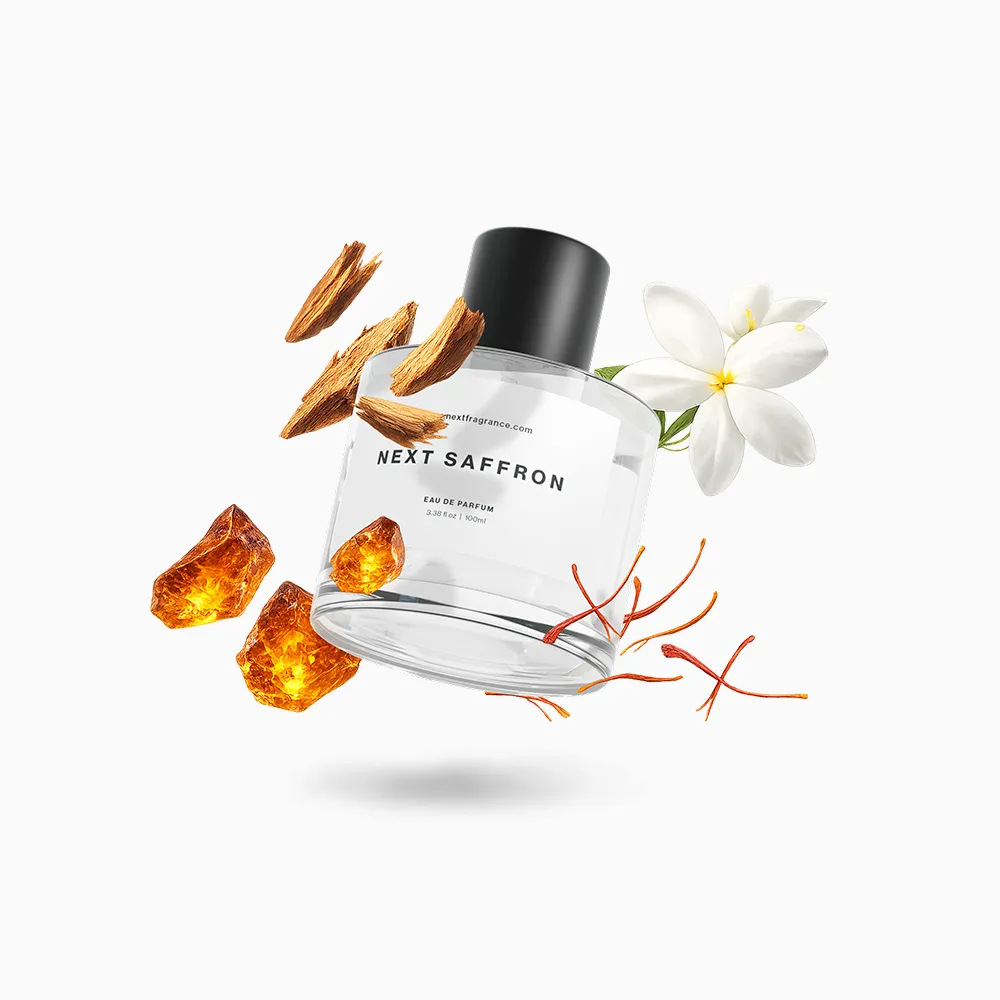
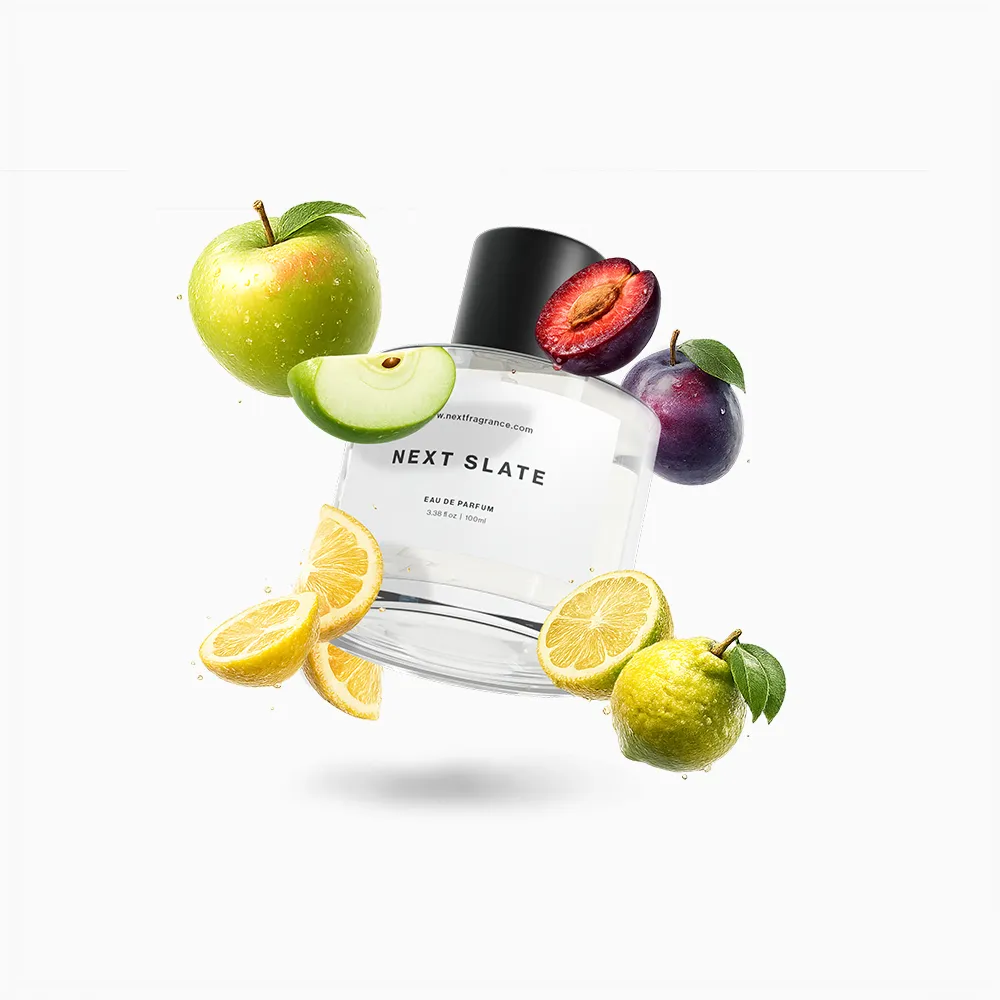
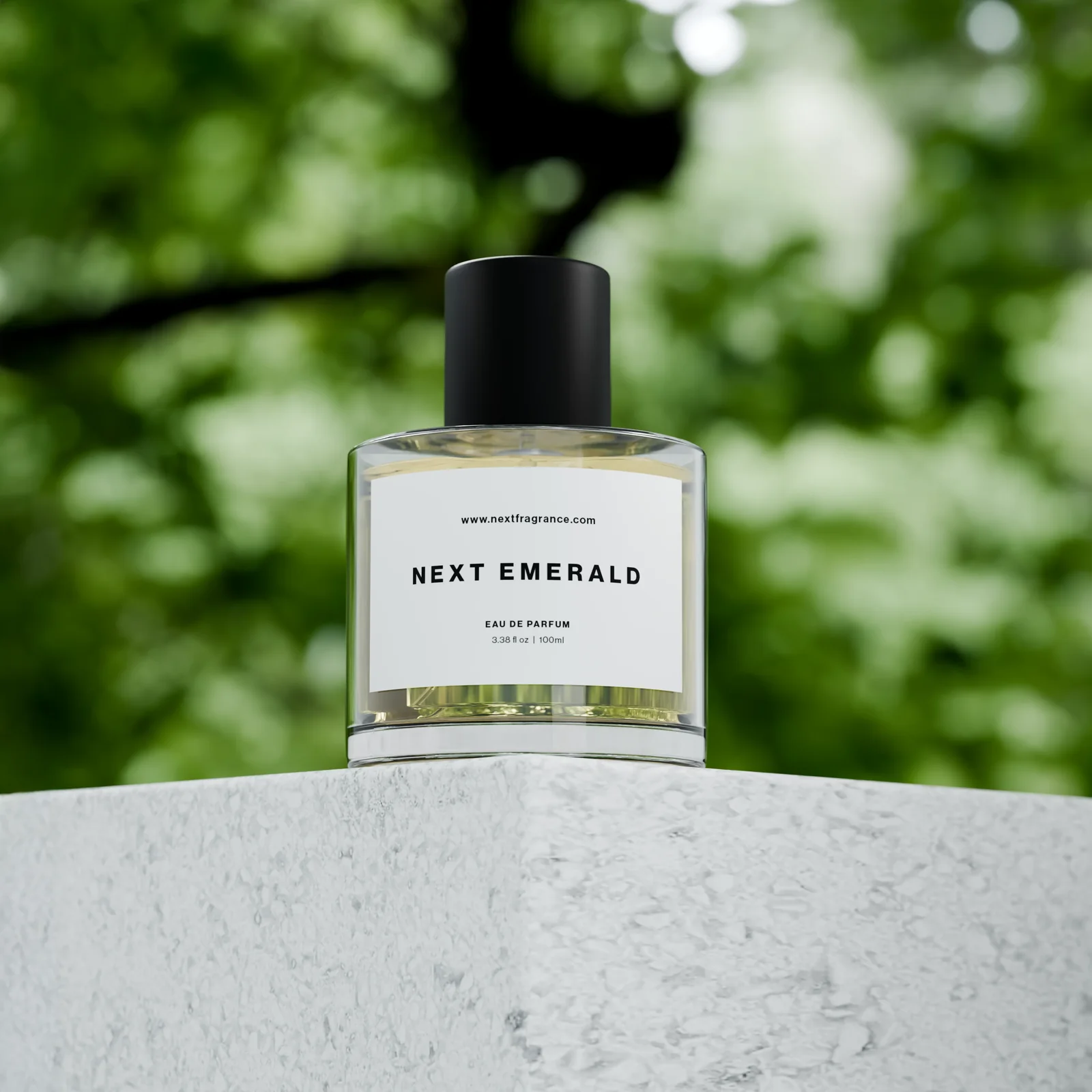
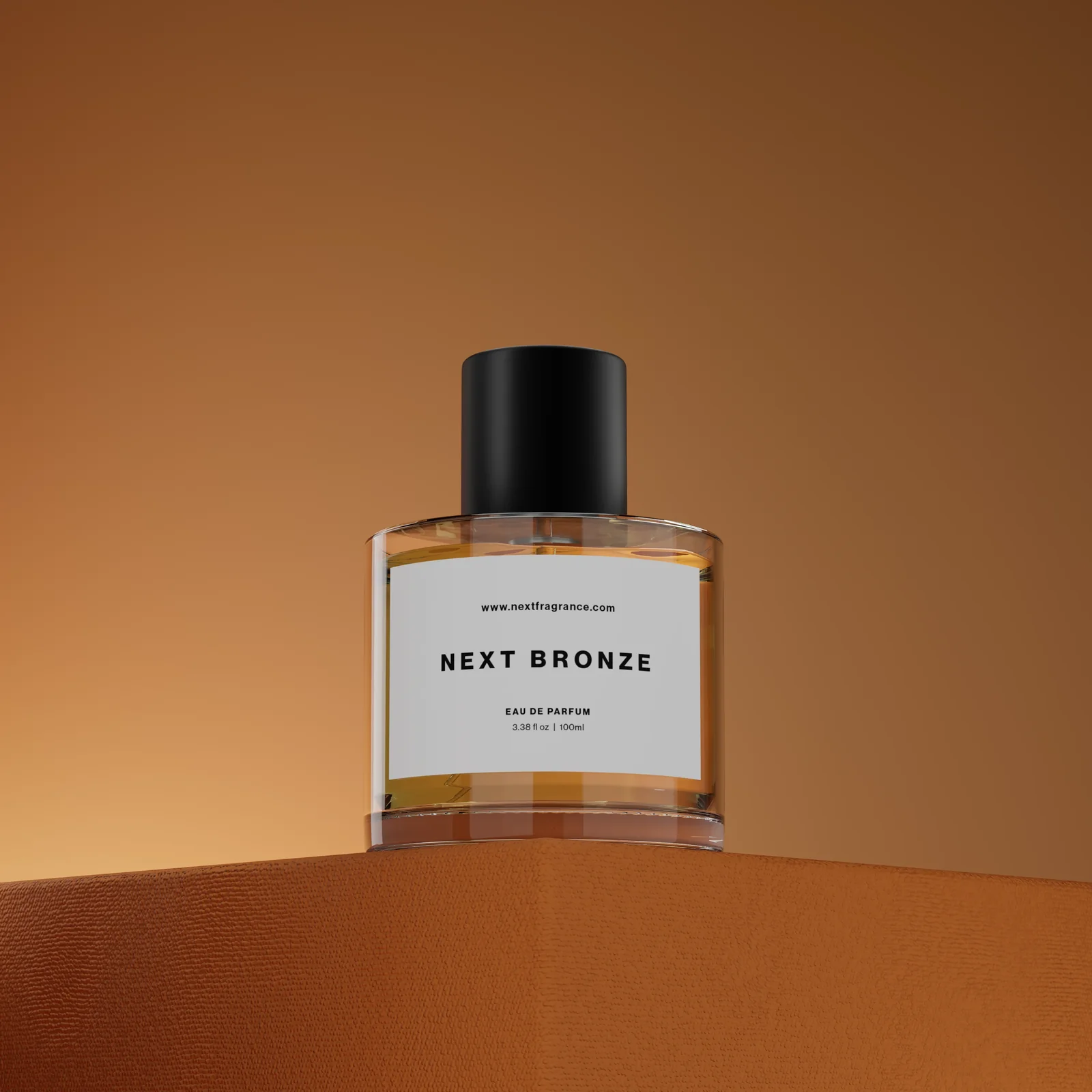
We model the exact shape from your photos, dimensions or CAD.
02
Grey clay
You approve the form before any polish is paid for.
03
Materials and lighting
Glass, metal, label print, liquid. Studio lights placed the way a photographer would place them.
04
Final render
Any angle, any colour, any scene, from the same model.
One model, three outputs
Studio. Scene. Video.
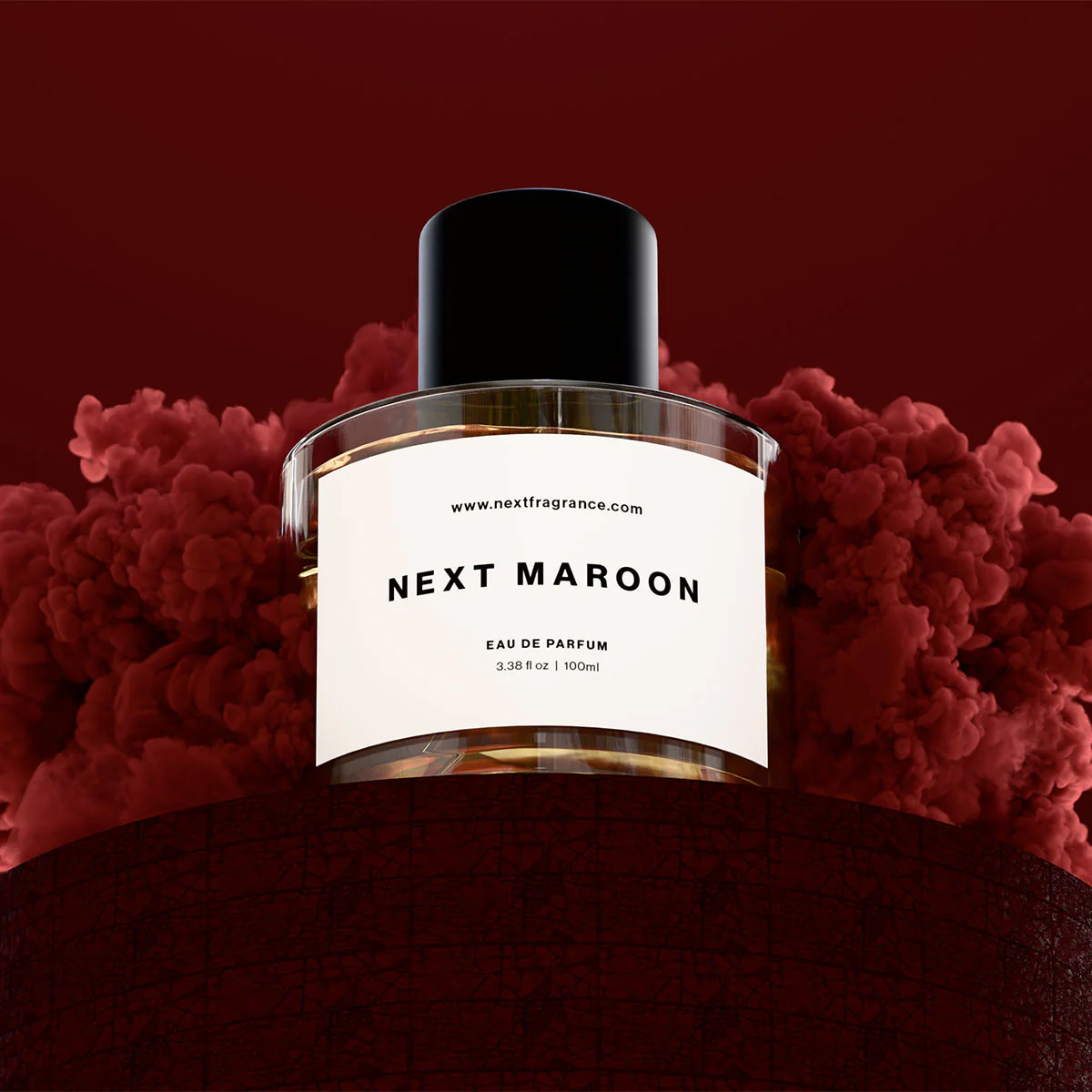
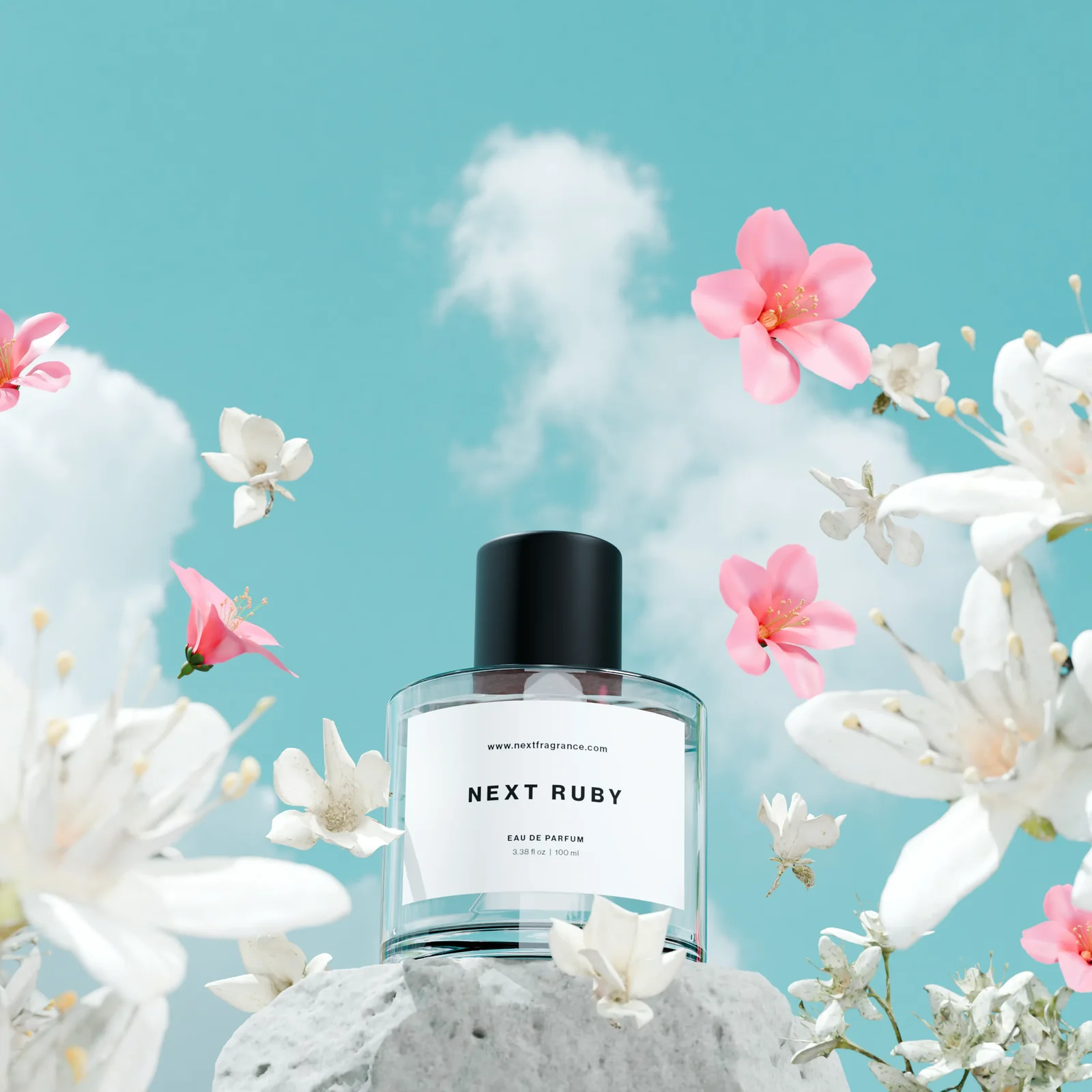
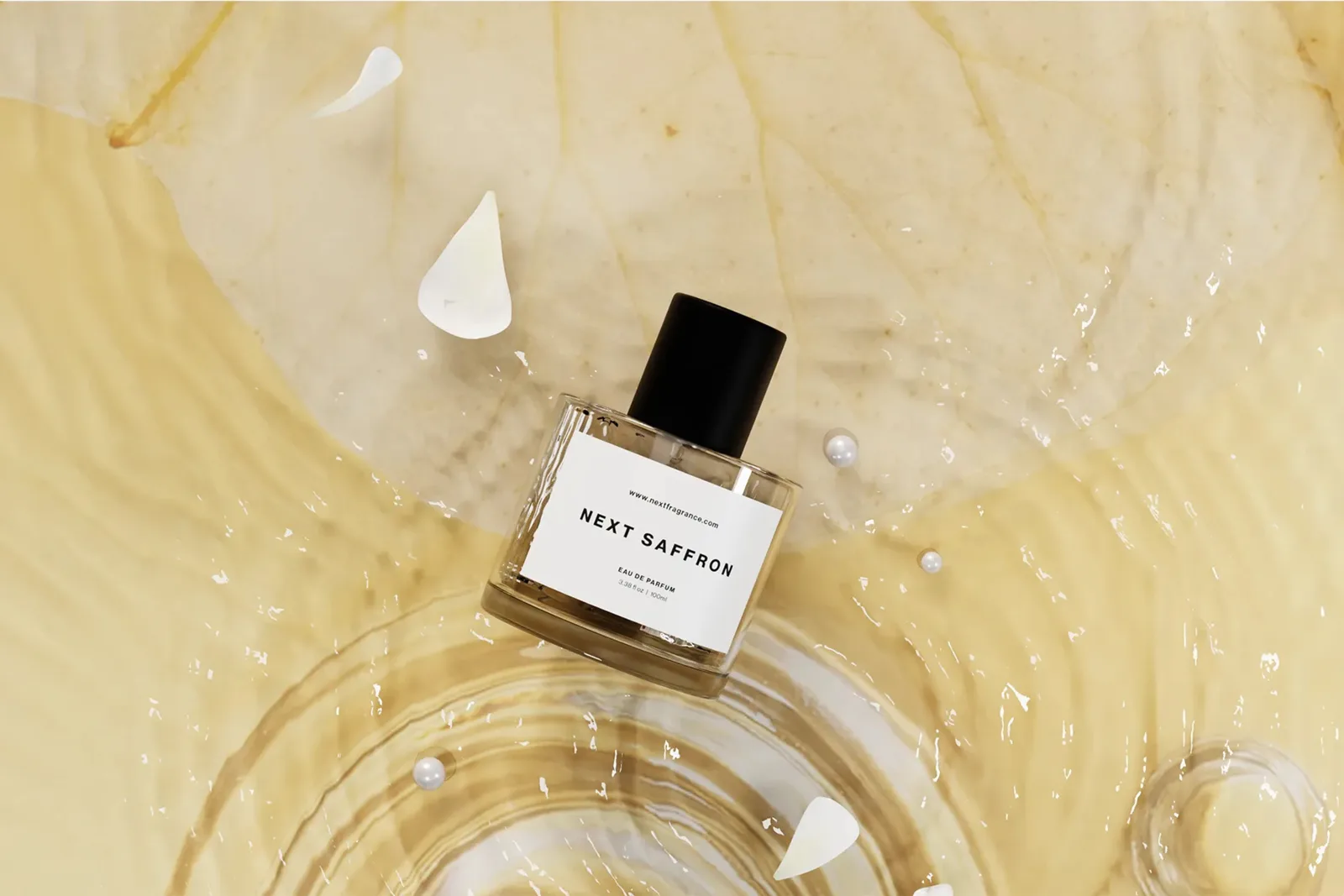
The same 3D model sits behind all three, so nothing needs a reshoot.
3D render
Clean studio shot
White or brand-colour background, catalogue-ready, sized for Shopify and Amazon.
Scene render
Lifestyle scene
The product placed where it lives, for ads, socials and homepage heroes, matching the studio set.
yourbrand · SponsoredMeta · feedDeep, dark and smoky.Shop now
Video loop or turntable
3D product animation for ads, product pages and launches: a short loop or turntable in 9:16 and 1:1, made to work with the sound off.
The core value
New colour? No new photoshoot.
Colourways, angles and seasonal scenes are re-renders of a model that already exists, so a new SKU matches the rest of the range exactly, without booking a studio.
For a fragrance launch, that meant one model per scent, each in its own colour palette, feeding every product page, email and ad. The renders are in our creative library.
your product category
Your BrandYour BrandYour Brand
Everywhere you sell
One render, every channel.
Also: packaging mock-ups, pitch decks, retailer sell-in sheets and 360° spins for Shopify.
Product pages
Hero shots, gallery angles and 360° spins, on a store built around them with ecommerce web design.
3D render
Marketplaces
Clean white-background images for Amazon and other marketplaces, lit the same as your own site.
yourbrand · SponsoredMeta · feedDeep, dark and smoky.Shop now
yourbrand · SponsoredTikTokWhat it smells likeShop now
Ads
Scenes and loops for Meta and TikTok, cut vertical for social video ads.
Most e-commerce ad accounts are not held back by bidding strategy. They are held back by a messy product feed, a structure nobody can explain, and a target ROAS that has never been checked against margin.
PMax is worth it when your tracking, conversion volume, creative and feed are ready. When they are not, it is a fast way to spend money and learn very little.
Usually not. Phone photos from a few angles plus dimensions get us most of the way. CAD files are better. For unusual materials, a sample helps.
Will it look real?
That is the job. Materials, lighting and imperfections are built in so it reads as a photograph. You approve a clay preview and a first render before final delivery.
How much does 3D product rendering cost?
It is scoped per product: how complex the shape and materials are, how many angles, scenes and colourways you need, and whether you want video. Tell us what you sell and we will come back with a quote.
How long does it take?
It depends on the outputs and how complex the product is. We confirm timing in your quote, before work starts.
How do changes work?
Shape changes happen at the grey clay stage, before any polish, where they are cheapest. Later, a new colour or packaging change is an update to the model and a re-render, not a fresh start.
What files and sizes do I get?
PNG and JPG at web and print resolution, transparent and white backgrounds for Amazon, and 9:16, 1:1 and 4:5 crops for ads.
Can you run the ads as well?
Yes. Renders feed straight into Facebook and Instagram ads, and new colourways and scenes make creative testing cheap. Our Facebook ads tips explain why the creative now does most of the targeting.
Ready when you are.
Tell us what you need and we will come back with a price and a plan. No pitch deck required.