Next Fragrance case study Selling a scent nobody can smell through a screen
A DTC storefront, 3D product imagery and email flows built to sell a product nobody can smell through a screen.
- Client
- Next Fragrance
- Scope
- Paid Advertising · Search & AI Visibility · Websites & Apps · AI & Automation
The problem
The entire pitch lives in a sense the internet does not have
Fragrance is one of the hardest products to sell online. Nobody can smell a screen, so the imagery and the words have to do the tester strip’s job. If your product has to be seen, tasted or handled to make sense, you have the same problem.
Next Fragrance came to us off the back of a Westfield activation. In a shopping centre the product sells itself: spray, sniff, sold. Online, the spray part is still impossible.
The tempting move is to pour budget into ads on day one. We said not yet. More budget is not a strategy. It only makes the current strategy louder, and until the store can sell and the tracking can count, extra traffic just buys you a bigger audience for the confusion.
Before
A product list nobody could read by scent. No email journeys. No tracking. A plan to pour budget into ads on day one.
After
A store organised by colour and mood, one 3D model per fragrance, email journeys that educate before they discount, and every add-to-cart counted before paid media started.
What we built
The system behind the launch
The order matters more than the tactics. Make the store sell, make the follow-up automatic, make the counting honest. Then, and only then, put money behind creative. It is the sequence we would run on your store too.
A menu nobody has to think about
Most stores hide their range behind a navigation built for the warehouse, not the shopper. We rebuild it around how people actually buy. For Next Fragrance, that meant organising by colour and mood rather than a product list, putting any scent two taps away on a phone. Fewer dead ends, shorter path to checkout, more of the traffic you already pay for turning into orders.
Ecommerce Web Design3D renders instead of photography days
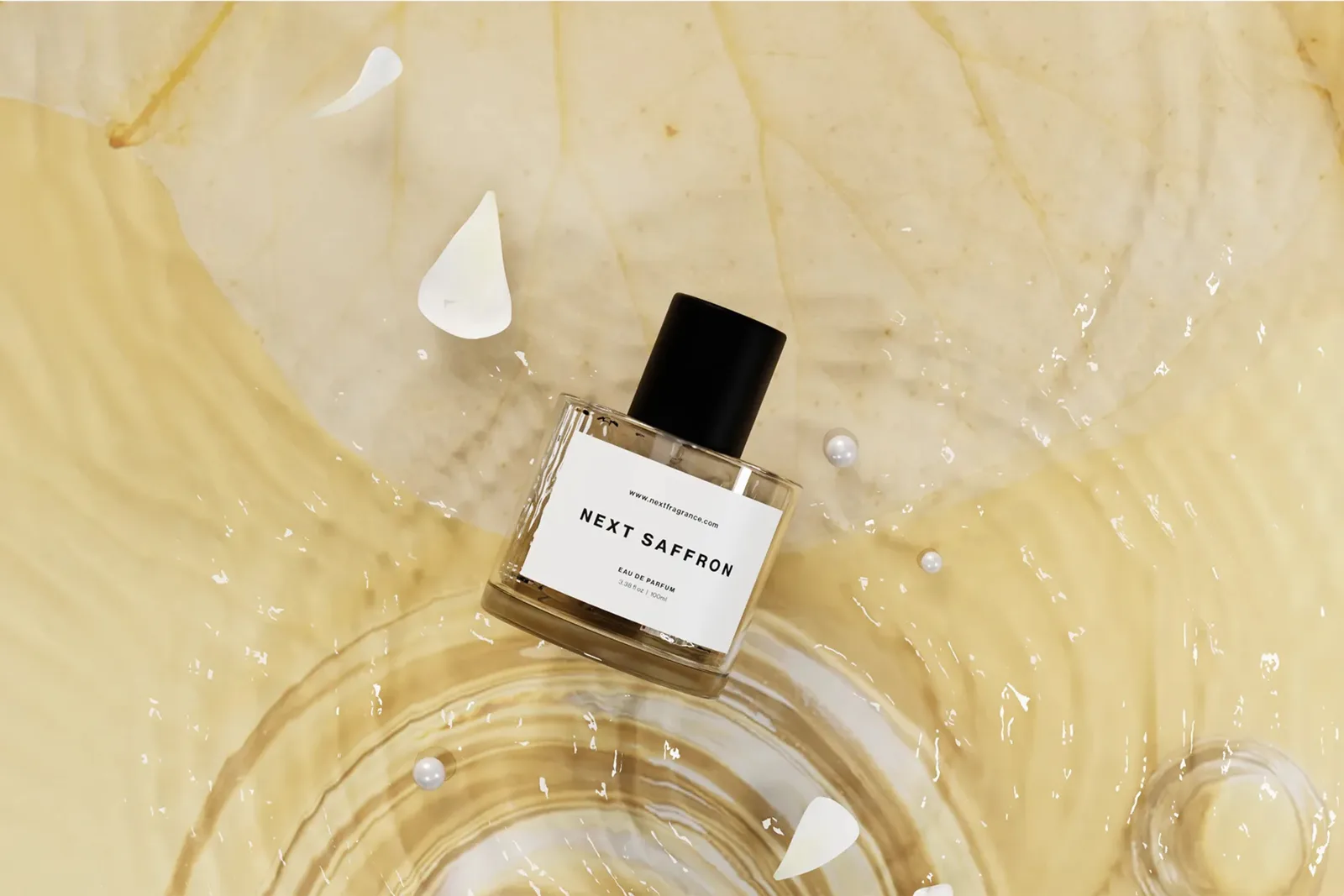
Every product has a 3D model, a colour and a scene. A new fragrance launches with imagery in days rather than weeks, and the same set of renders feeds product pages, email and ads, so nothing has to be reshot when the range grows.
3D Product RendersThe browsers who leave are not lost
Most of your visitors will not buy today, and a discount code does not change that. Flows that introduce the range one product at a time and answer the objection people actually have (what if it is not right for me?) earn the second visit. That is revenue you have already paid for once.
Email MarketingKnow what worked before you scale it
If tracking is broken, pause the victory lap. We get every add-to-cart, checkout and email conversion counted and attributed before a dollar goes to ads, so when spend starts, the decisions run on data rather than vibes, and you are never scaling something that only looks like it is working.
AnalyticsCreative you can test, not guess at
One ad concept is not a test; it is a guess with a daily budget. A consistent visual system makes structured testing cheap. For Next Fragrance, every scent has a palette and a notes render, so we can find which story stops the scroll and scale the winners without the creative going stale.
Facebook ads for ecommerce
Featured work
Selling scent through imagery
You can’t smell a website, so the visuals carry the pitch. Building 3D models of the range and placing them in art-directed scenes means no photography days and no reshoots: a new product launches with a model, a colour and a scene, in days rather than weeks. If your imagery is the reason people hesitate, this is the fix.
One colour per fragrance
Every scent in the range owns a colour: light blue is fresh and citrusy, green is earthy, bronze is warm and golden, maroon is deep and smoky. One decision, and the whole creative direction follows: product pages, email flows and ad creative all inherit the palette. Shoppers learn to read the range at a glance, and every new product ships faster because the art direction is already decided.
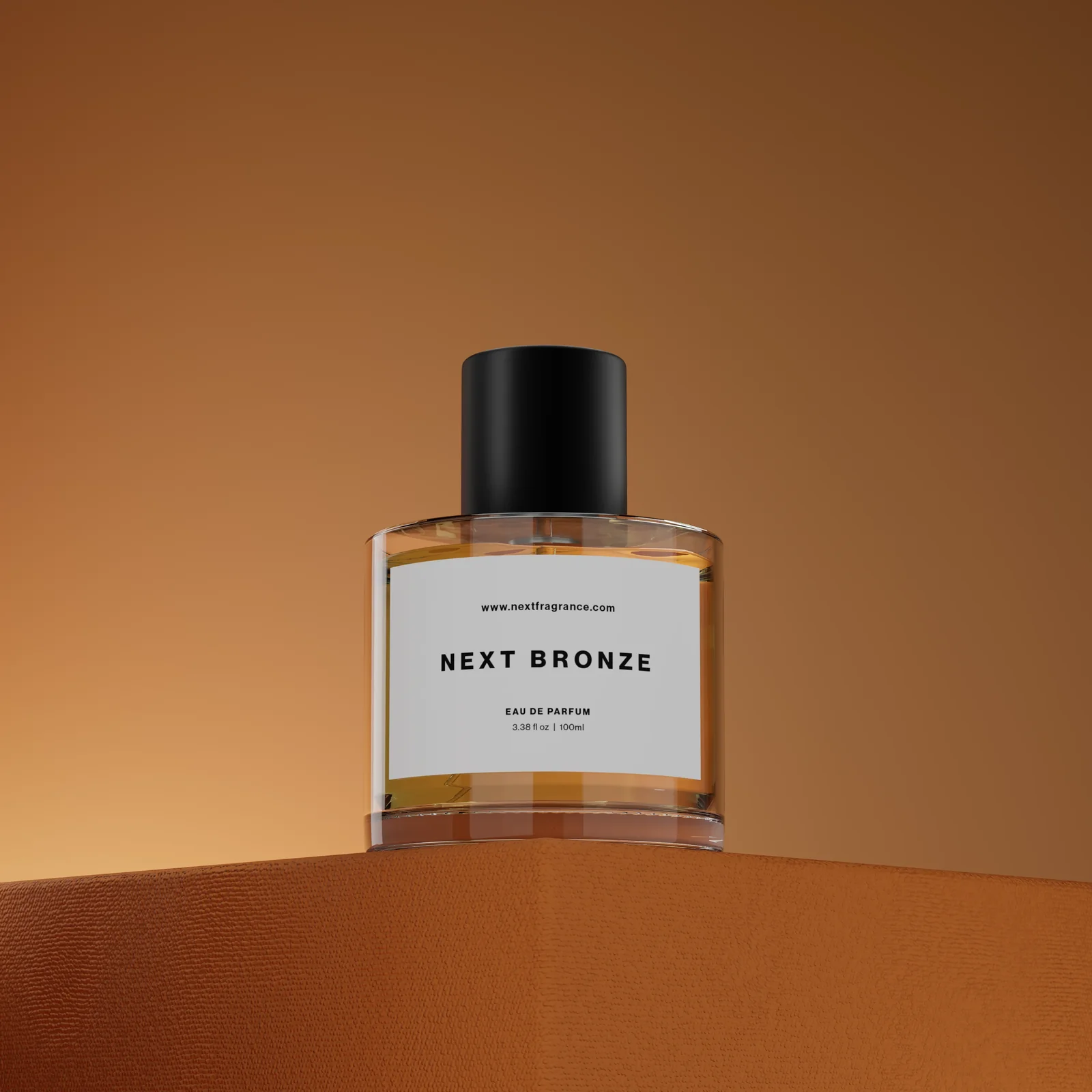
Next Bronze
Warm, golden, amber and vanilla
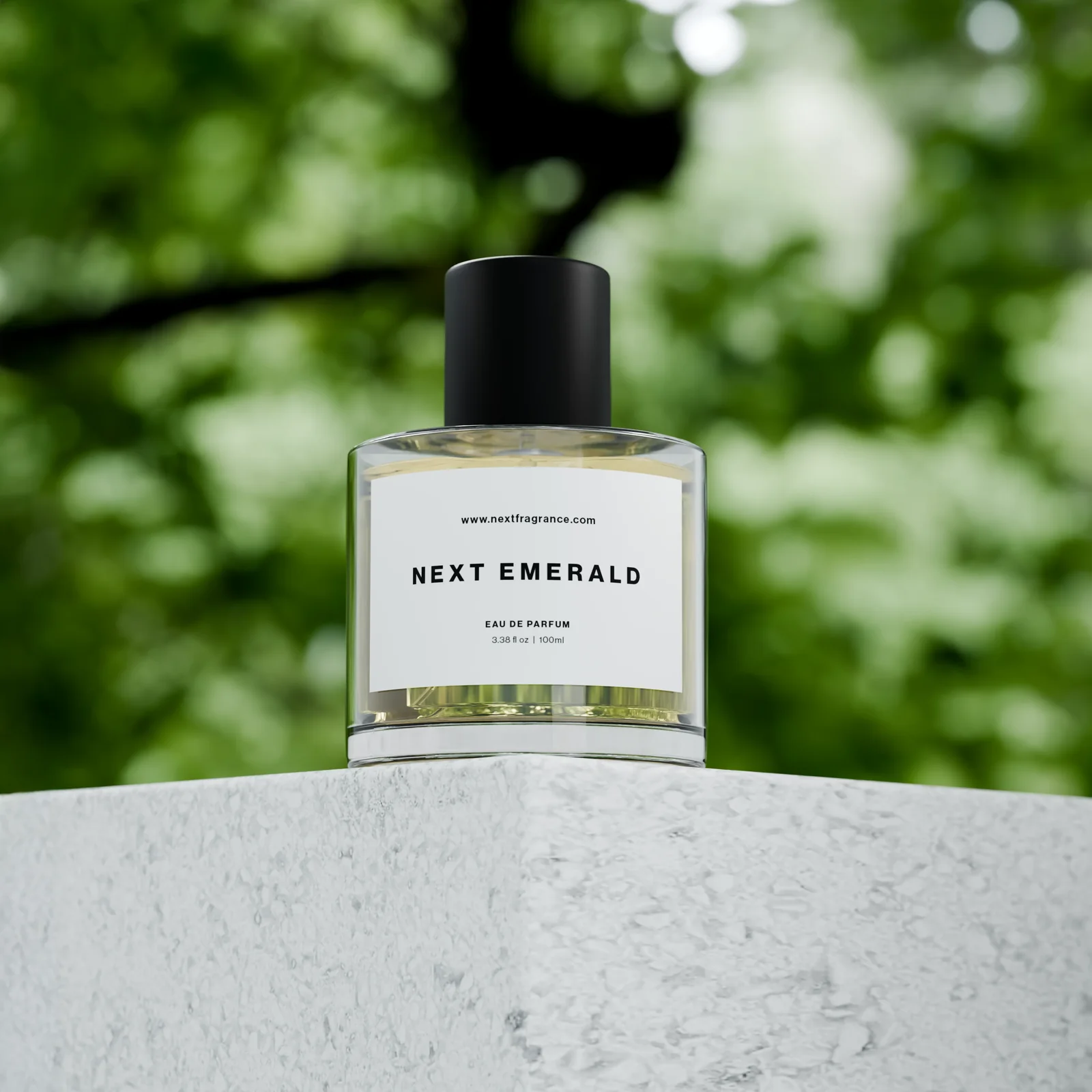
Next Emerald
Green, earthy, fresh off the trail
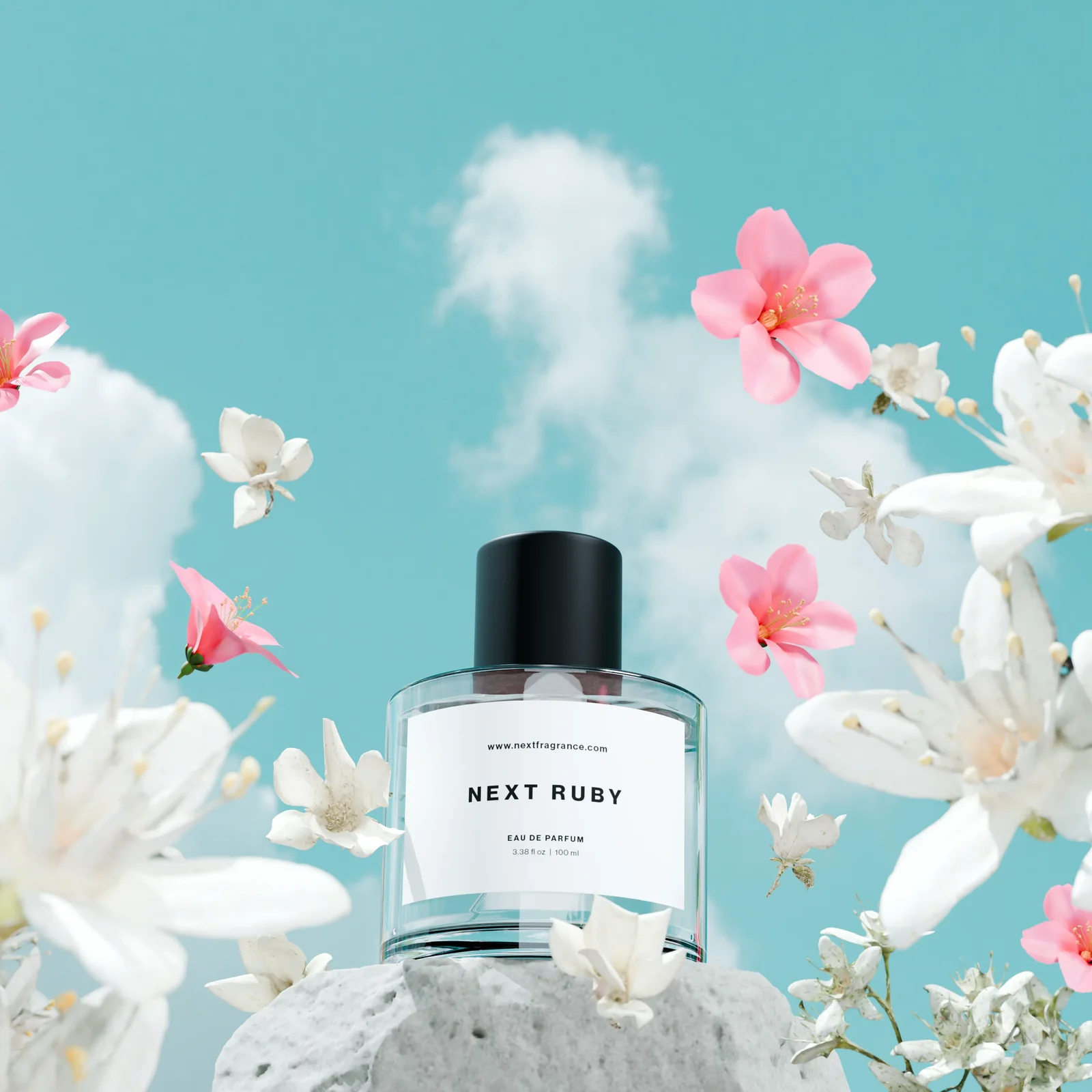
Next Ruby
Soft florals in open air
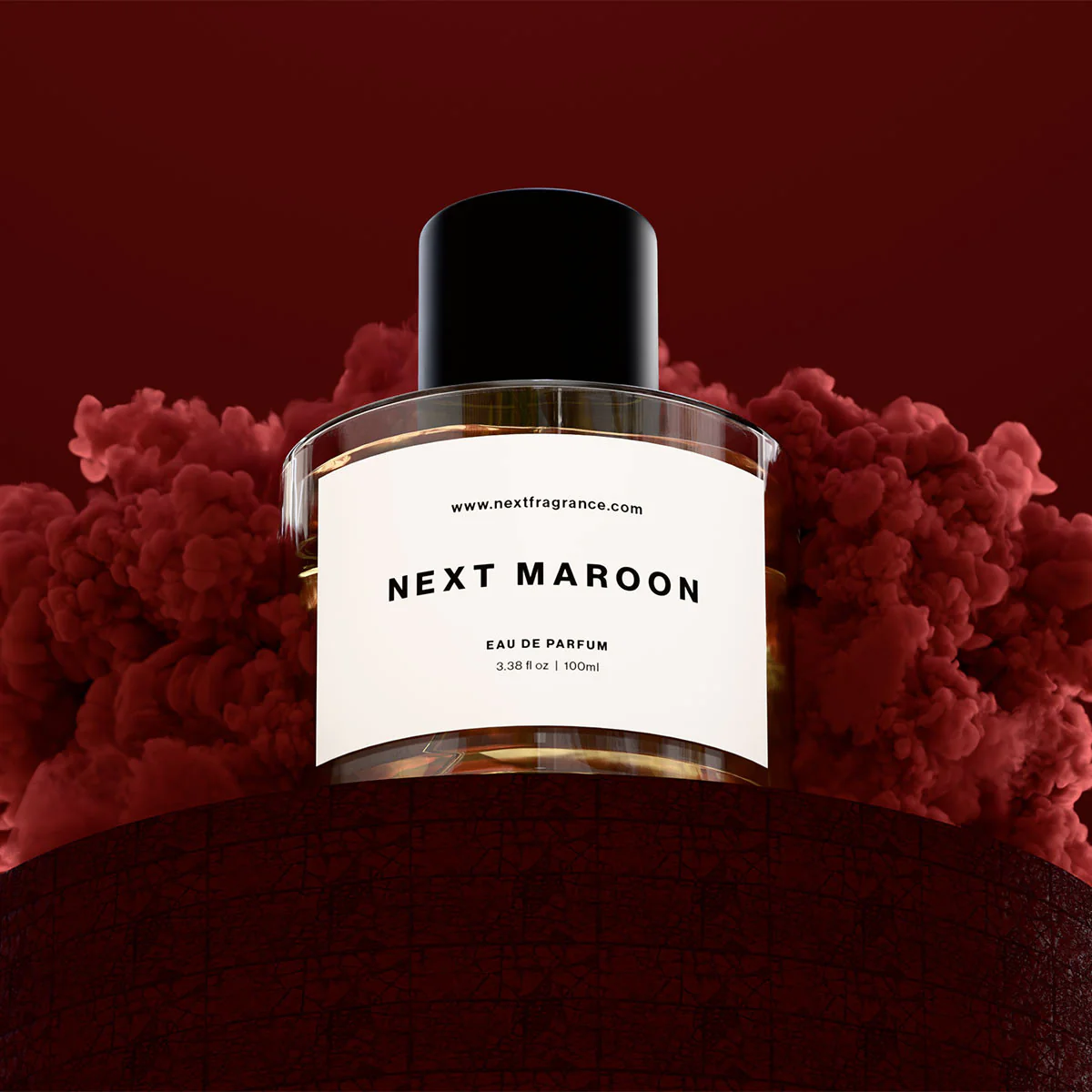
Next Maroon
Deep, dark and smoky
The floating notes
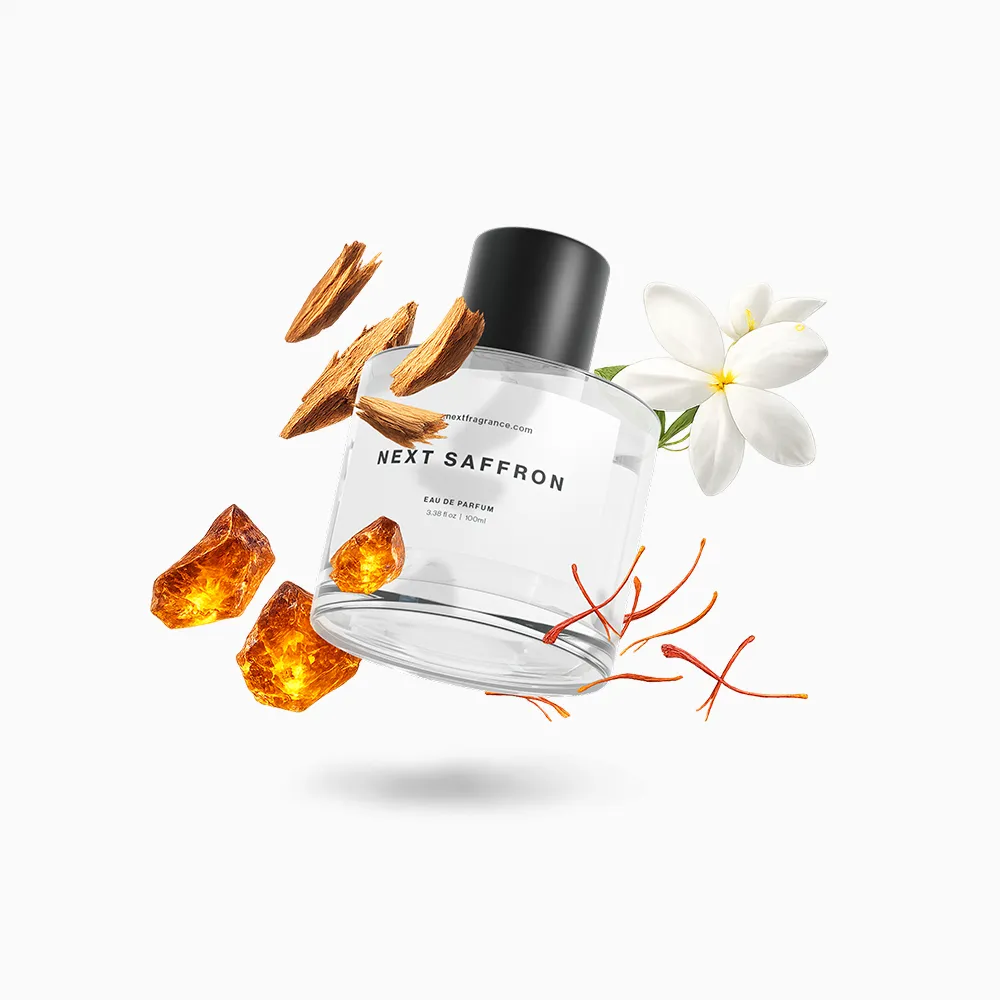
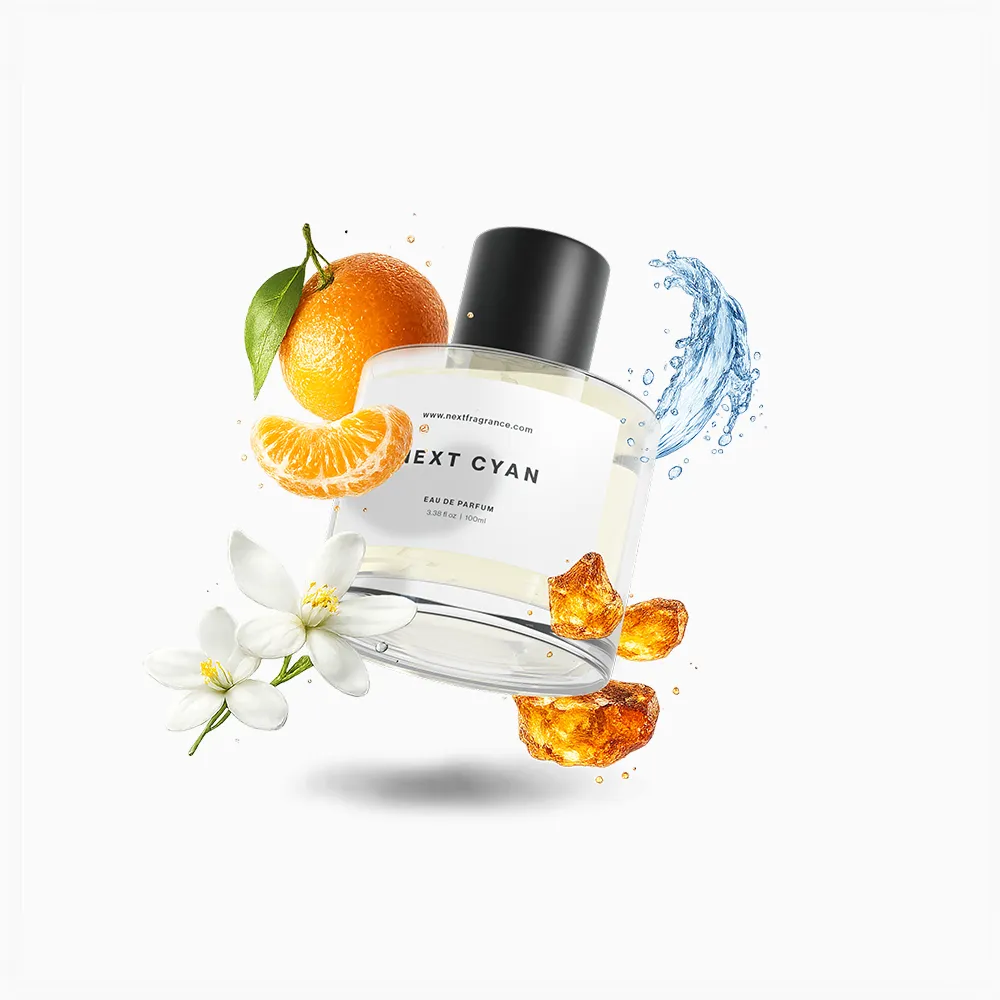
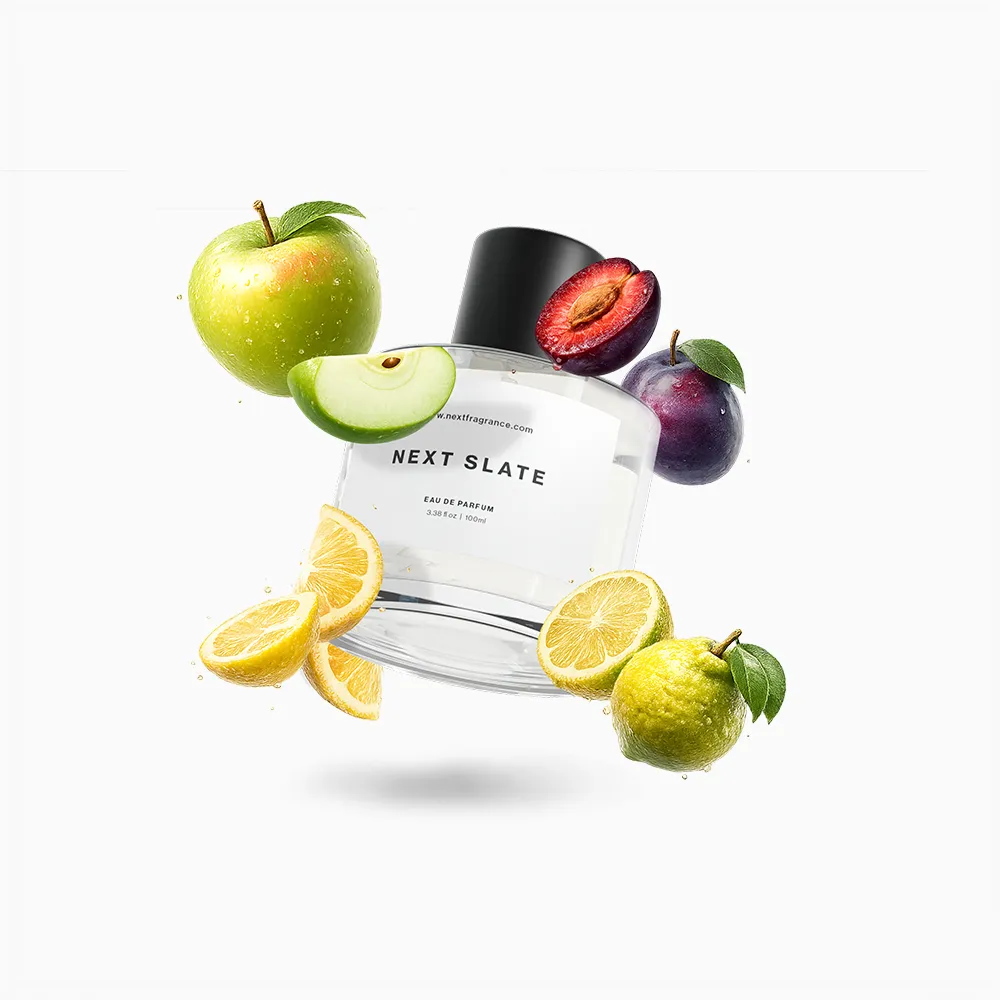
The levitating bottles are not just for show. Each render suspends a product’s actual ingredients around it (saffron threads and amber, vanilla pods and cacao, green apple and lemon) so a shopper understands what they are buying in a glance, the way an ingredients list never manages. Whatever you sell, the principle holds: show the thing, do not describe it.
These become the workhorse images. Product pages, email headers and paid social all pull from one set, which keeps the brand consistent and the production cost sane: you shoot once and use it everywhere, instead of paying for a new shoot every campaign. And yes, the bottles float because the scent is uplifting. We’re only half sorry.

What’s next
Two new shelves to earn
Next Fragrance is opening a store. So we’re building a brand that works in two places at once: on a real shelf, and on a screen. Different rooms, same job.
Paid media starts against the tracking baseline, and the first structured creative tests use the colour and notes systems.
Got a product that’s hard to sell online?
Hard-to-explain products are our favourite kind of brief. Book a discovery session and we’ll tell you what we’d test first, and whether you should be spending on ads at all yet.
All case studies