
What a website costs in Australia, in AUD
Most Australian business websites cost between $2,000 and $20,000. That band is wide because the phrase “a website” covers everything from a five-page template build to a store with thousands of products and a live inventory feed. So the real answer to how much a website costs in Australia starts with what the site has to do, not how many pages it has.
Here are the bands you will see quoted around the Australian market. Treat them as observation rather than a price list: they track the scope of work, not the size of the agency.
- DIY on a hosted builder: $0 to $1,500, plus roughly $25 to $70 a month. You do the design and the writing. Squarespace, Wix or Shopify handle hosting, security and updates.
- Freelancer or template build, 5 to 8 pages: $2,000 to $6,000. An existing theme, lightly customized, usually with your copy and your images.
- Agency marketing site, 8 to 20 pages: $6,000 to $20,000. Custom design, professional copywriting, a sensible page structure, tracking that works on day one, and a handover that means you can actually run the thing.
- E-commerce: $8,000 to $40,000. Product data, payments, freight rules, tax settings, and a checkout people trust with a card.
- Integrated or custom build: $30,000 and up. Bookings, member logins, CRM or ERP connections, quoting tools, or moving several hundred URLs without losing rankings.
Two things to check on any quote before you compare it with another: whether the figure includes GST, and whether copywriting is in scope or quietly assumed to be your job. Those two alone explain a lot of the gap between quotes that look similar on the cover page. If you run a trades business the realistic range is narrower and lower, and we broke that down separately in what a tradie website costs.
What actually moves the number
Page count is the least useful question in a website brief. Two five-page sites can be $8,000 apart. What moves the number, roughly in order of impact:
- Who writes the words. Copywriting is the biggest hidden line item in most quotes. Writing a service page that explains an offer clearly is real work, and “client to supply content” is the most common reason a build stalls for three months.
- Design depth. A template with your logo dropped in takes hours. A design system with custom components, hover and error states, and a mobile-first layout takes weeks.
- Integrations. Booking systems, CRMs, payment gateways, inventory feeds, quoting calculators. Each connection is a small project with its own testing.
- E-commerce complexity. Ten products with one variant each is a very different job to two thousand SKUs with size and color options, freight zones and B2B pricing tiers.
- Migration. Moving twenty pages is admin. Moving four hundred pages with redirects, preserved URLs and no traffic drop is a specialized job that deserves its own line on the quote.
None of those are “more pages”. Scope is about depth, not length, which is why a quote that prices by the page usually has not been thought through.
What the cheap end genuinely gets you
The cheap end is not a scam. A $2,500 template build is a real website, and for plenty of businesses it is the right call. You reliably get a live, mobile-responsive site with your services listed, a contact form that works, and a structure search engines can read.
What you usually do not get, because there is no budget in the number for it:
- Conversion thinking. Somebody deciding what each page is for, which objection it answers, and what the next step is. That is the difference between a brochure and a high-converting landing page.
- Tracking that works. Form submissions and calls wired into analytics, so you can tell which enquiries came from where.
- A speed budget. Template plus page builder plus twenty plugins is the classic way to fail Core Web Vitals, which Google folds into its page experience signals.
- Anyone who owns it after launch. Cheap builds often ship and then go quiet.
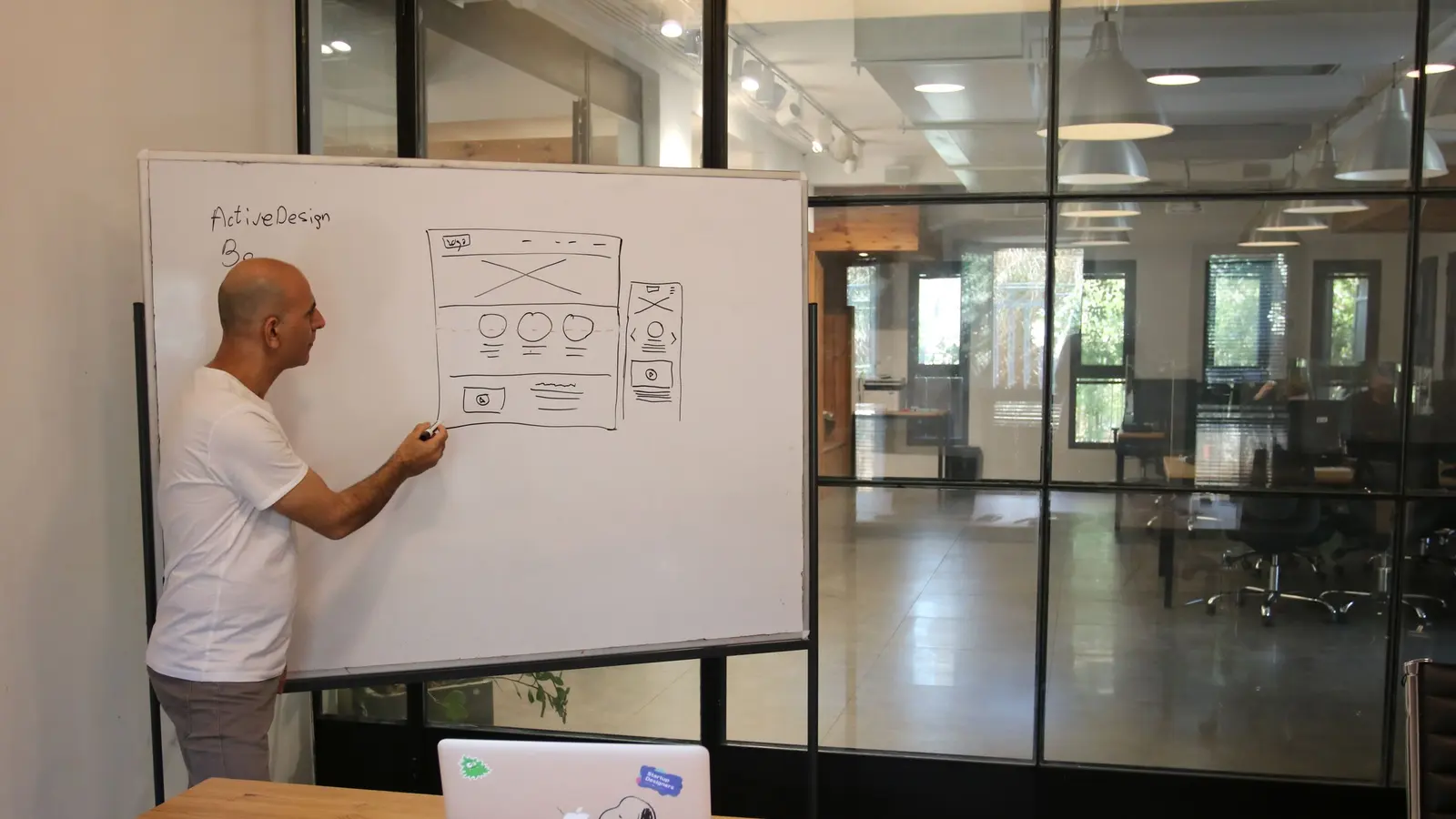
The pattern we see most often is not a broken website. It is a website that quietly undercuts the marketing: rankings fine, traffic fine, enquiries flat, because the site looks tidy but buries the offer, loads slowly and makes people hunt for the next step. Fixing that site does more for growth than any new campaign would. It also costs more than doing it properly the first time.
The cheapest website is the one you build twice. Cheap is not the problem; cheap with no plan for what happens after launch is.
The ongoing costs nobody puts on the quote
Budget for the running costs before you sign anything, because they arrive whether you planned for them or not. The figures below are typical market rates we see at the time of writing, not quotes, so use them to build a rough annual number rather than to argue with a supplier.
- Domain. A .com.au name is usually $20 to $40 a year through a registrar. The rules, and the list of accredited registrars, sit with auDA, the administrator of the .au namespace.
- Hosting. Shared hosting starts around $10 a month. Managed WordPress hosting is closer to $30 to $60. A statically generated site can host for near nothing, which is one of the arguments in Next.js vs WordPress.
- Maintenance. On WordPress, somebody has to run updates, backups and security checks. Care plans commonly sit between $50 and $300 a month depending on the stack, and skipping them is how sites get compromised. Worth reading before you commit: our guide to WordPress web design.
- Content. The real ongoing cost. A site that never gets a new page is a site that slowly stops ranking.
- The tools around it. Email hosting, a CRM, a booking system, spam protection on forms. Small on their own, not small together.
Add those up before you sign. For most small business sites the annual running cost is a few hundred dollars if you host something simple and handle your own updates, and a few thousand if you are on a managed care plan with content support. Neither is wrong. Being surprised by it in month four is.
When to spend less, or not rebuild at all
Plenty of businesses asking for a $15,000 website do not need one, and some do not need a rebuild at all. Spend less, or spend nothing, if any of this sounds like you:
- Your current site converts and is just slow. Speed and content fixes cost a fraction of a rebuild and usually move the number more. Get a diagnosis before you get a quote.
- Your offer is not clear yet. If you cannot say in one sentence what you sell and who it is for, a new website will not fix that. Fix the offer, then build.
- All your work comes from referrals and you do not sell online. A tidy one-page site and a properly completed Google Business Profile is often enough. Put the saved money into following up faster.
- You are about to change what the business does. Rebuilding twice in eighteen months is a budget most businesses cannot spare.
- Nobody is going to maintain it. A $20,000 custom build with no owner is worse value than a $2,000 template that somebody actually updates.
A good agency should be willing to say “not yet” when the offer, the page or the tracking is not ready. If a website quote lands before anyone has asked what the site is supposed to achieve, you are buying pages rather than outcomes.
How to compare two quotes that are $10,000 apart
Ask the same five questions of every quote. The gap almost always explains itself.
- Who writes the copy, and is it in the price? If the answer is “client to supply”, add the cost or the delay back onto the cheaper quote before you compare.
- What happens to the existing URLs? Ask specifically about redirects. This is where cheap rebuilds quietly cost you rankings you already paid for.
- Is tracking included, and what counts as a conversion? A site that cannot tell you where enquiries came from is a very expensive trust exercise.
- What does month one after launch look like? Who fixes the thing that breaks, how fast, and is it billable.
- What is the site meant to achieve, in a number? Enquiries per month, average order value, booked jobs. If nobody asked, nobody is designing for it.
That last question is the brief we start from in our web design work: what the site has to achieve, then the platform and the price to suit it. A cheap site that hits the number is a good buy. An expensive one that does not is not.
Frequently asked questions
How much does a website cost in Australia in 2026?
Most Australian business websites land between $2,000 and $20,000. A template build from a freelancer sits at the lower end, an agency marketing site with custom design, copywriting and tracking sits in the middle, and e-commerce or integrated builds run from $8,000 to well past $30,000. Always confirm whether the quote includes GST.
How much should a small business website cost?
For a small service business, $3,000 to $10,000 covers a well-built site with real copywriting and working tracking. Below that you are buying a template and supplying the content yourself, which is fine if the site is a credibility check rather than a sales channel. Spend more only when the site has to do a specific job, such as taking bookings or selling online.
Is it cheaper to build a website myself?
Yes on cash, often not on time. A hosted builder costs $25 to $70 a month and no build fee, but you supply the design decisions, the writing and the conversion thinking, which is where most of the value in a paid build sits. DIY makes sense when your budget is genuinely tight or the site is a simple credibility page.
How much does it cost to maintain a website in Australia each year?
Expect a few hundred dollars a year for a simple site you maintain yourself, covering the domain and basic hosting. A managed WordPress site with a care plan is more like a few thousand a year once updates, backups, security and hosting are included. Content updates are separate and are usually the largest ongoing cost.
Why do website quotes vary so much for the same brief?
Because the brief usually is not the same, even when it looks identical. Copywriting, custom design depth, integrations, migration and redirects, and post-launch support are the five line items that move a quote most, and cheaper quotes often leave several of them out. Ask each supplier which of the five are included before comparing the totals.